The industry is full of advice on how to turn a dealership phone call into a sale. Script your openers. Coach your BDC reps. Route calls to specialists. Track every connection rate. Add a follow-up call on day three. The advice is not wrong. The problem is that all of it begins in the same place: the moment a human picks up the phone. And by the time a human picks up that phone, the gap that determines whether the buyer is still interested in your store has already closed, one way or another.
That gap is not a coaching problem. It is an architecture problem. And no amount of call-handling best practice fixes an architecture that was never built for the window before the call.
Why Do Dealerships Treat Lead Response as a Human Scheduling Problem?
The standard inbound lead flow at most dealerships runs through the BDC. A form submits. The lead lands in a CRM queue. A rep sees it during their next desk check, opens a dial attempt, and if the buyer does not answer, leaves a voicemail and logs a follow-up task for tomorrow. The whole sequence is governed by human availability: shift hours, rep workload, queue depth, and how aggressively the BDC manager pushes the team.
That model made sense when it was built. In a world where digital lead volume was lower and buyers were less accustomed to instant replies, a same-day callback was a reasonable response. In 2026, the buyer who submitted a form while comparing three stores on their phone is not waiting. They have already opened the next tab.
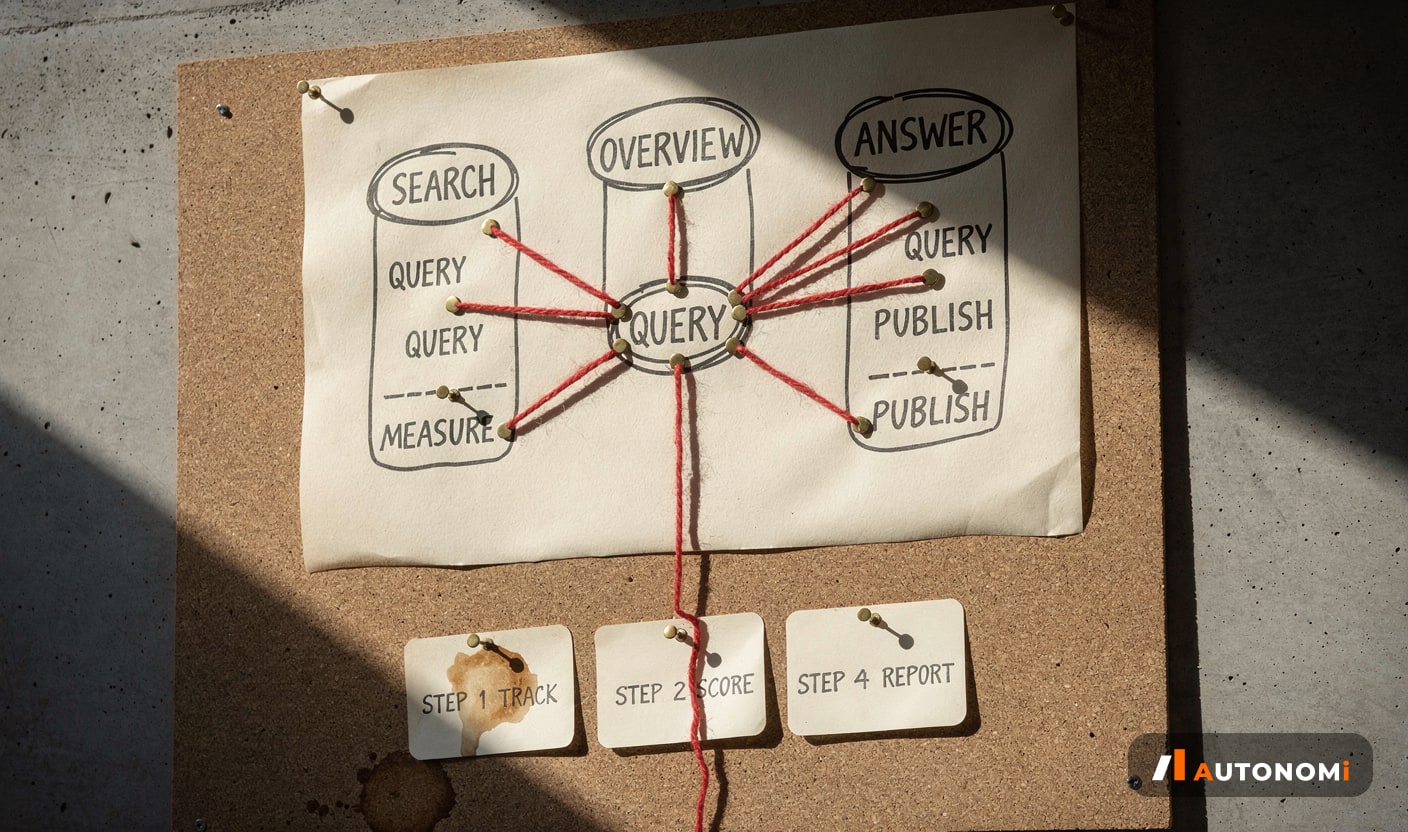
The five phone-conversion tactics that dominate the current industry conversation, including call coaching, script adherence, specialist routing, BDC follow-up cadences, and call analytics, are all human-execution improvements. Each one makes the BDC more effective once a rep is on a call. None of them operates in the window between form submission and first contact. None of them were designed to.
Why Do Five Best Practices for Phone Calls Still Miss the Actual Gap?
Routing calls to the right specialist improves close rates. Recording and scoring calls surfaces coaching moments. Building a multi-day follow-up cadence keeps hot leads warm. These are real improvements, and stores that have not implemented them are leaving recoverable revenue on the table.
But every one of those tactics assumes the buyer is still in the consideration window when a rep finally reaches them. That assumption is doing a lot of work, and it is doing it silently.
Academic and industry research on lead response consistently finds that buyer intent decays sharply in the first few hours after a web inquiry, with the probability of reaching and qualifying a lead dropping as response time extends from minutes into hours.✓ Oct 2 The specifics vary by study, but the direction of the finding does not. A buyer who submitted a form at 7 PM on a Tuesday is not the same buyer your BDC reaches at 9 AM on Wednesday. Some of those buyers are still there. Many have already chosen a different store, or have decided to keep driving what they have.
The five tactics operate inside a model where lead response is a human scheduling problem. The real problem is that it should not be a scheduling problem at all. The gap between form submission and first contact should be measured in minutes, not shifts.
Call coaching cannot close that gap. Neither can a better script. The loser in this diagnosis is any store that invests heavily in human-side phone improvement without solving the pre-phone architecture first.
What Does the Response Window Actually Cost?
Consider what the buyer's experience looks like from the other side of the screen. They found your inventory page, configured a payment on the finance tool, and filled out a contact form. Their interest is at its peak. They are on a phone they check constantly. And then: nothing, for four hours, six hours, or until the next business morning.

During that window, the buyer is not idle. They are visiting competitor sites. They are getting text confirmations from other stores that have an automated acknowledgment set up. They are reading reviews. They may receive a call from a different dealership whose response architecture is faster than yours. By the time your BDC rep makes their first dial attempt, the competitive landscape has already shifted.
The problem is not that your reps are bad at phones. The problem is that the architecture delivers them to a buyer who has had several hours to change their mind. Better scripts do not solve a cold lead. Better routing does not help when the buyer is no longer weighing your store. The gap is the problem, and it is upstream of every technique in the five-tactic playbook.
This is also why the search result for "voice AI for car dealerships" keeps pointing dealers toward phone-answering tools when the conversion problem is not at the phone at all. The phone is the symptom. The gap is the disease.
What Does AI Follow Up With Car Leads Actually Do?
This is the query Perplexity is surfacing for dealers and vendors both in late 2026, and it is worth answering precisely, because the category is being confused with phone-answering products and with fully autonomous texting systems that do not exist in compliant form.
AI lead follow-up, done correctly, operates in a specific and architecturally constrained way. It is not a virtual receptionist answering inbound calls. It is not a system that blasts cold outbound texts to anyone who has ever visited your website. The compliant, deployable version of AI follow-up works with enrolled inbound leads: people who have submitted a form or otherwise indicated contact intent, and who have been entered into a follow-up sequence under the correct consent architecture.
The practical shape is a paced email and SMS sequence that sustains contact across the days when your BDC would otherwise be making a single call and logging a task. The sequence is not static. It accounts for state-law quiet hours, opt-out requests, and reply behavior. When a lead replies and signals intent, the sequence escalates to a human. When a lead opts out, the sequence stops immediately and the opt-out is recorded across every channel.
What it does not do, and what no compliant system does: it does not text anyone without consent. It does not operate outside the rails that TCPA and state law impose. And it does not replace the BDC. It is the layer that holds the buyer's attention from the moment they are enrolled until the moment a human rep is actually the right next step. Understanding this distinction matters because the CRM-integration claims in this space are often as vague as the AI claims -- and vague claims lead to purchases that do not solve the actual problem.
What Happens to the Buyer While the BDC Waits for Business Hours?
The automotive purchase journey is longer than a single session, but the window of active comparison is often a few days at most. A buyer who has reached the point of submitting a form has already done most of their research. They are deciding between two or three stores, and the deciding factor is frequently whoever reaches them first with something useful.

This is the window that the five phone-conversion best practices ignore. It is not a criticism of those tactics -- they are right about what they optimize -- but they assume their starting condition: a buyer who is still warm when the human rep calls. They have no mechanism for what happens in the hours before that call is made.
During business hours, a fast BDC can close that gap manually. A rep monitoring the queue in real time can reach a fresh inbound lead within minutes. But lead volume is not uniformly distributed across business hours. Forms submit at 8 PM, at midnight, on Sunday mornings, and on holidays. Every lead that comes in outside of staffed BDC hours sits in a queue, aging, while the buyer does the math on whether to call the next store.
A paced AI follow-up sequence does not remove the BDC from that interaction. It holds the relationship until the BDC is the right tool. That is a different problem than the one the five tactics are solving. Stores that understand the distinction will close more of the leads they are already generating, without changing their media budget and without hiring more reps.
How AUTONOMi Solves This
LANE is AUTONOMi's AI sales conversation product, built specifically for inbound lead follow-up.✓ Oct 2 It is not a phone-answering script and it does not replace the BDC. LANE's daily follow-up sweep runs each morning and processes enrolled inbound leads, firing paced email and SMS sequences to each lead according to their position in the sequence and the intent signals their replies carry.✓ Oct 2 The architecture is enrollment-first: a lead is brought into LANE through the enrollment step, and the daily sweep then handles the cadence from that point forward.
LANE's SMS layer is TCPA and CTIA-compliant, with STOP and HELP keyword handling and persisted unsubscribe state.✓ Oct 2 A shared do-not-contact ledger, written by every opt-out surface across the platform, is checked before every LANE email and SMS leaves -- and if that ledger is unreadable, the send is held rather than risked.✓ Oct 2 Text send times are governed by state-law quiet hours for Texas, Florida, Oklahoma, and Washington, with the federal TCPA window applied everywhere else.✓ Oct 2
When a lead's intent crosses the threshold that makes a human rep the right next contact, LANE hands off to the BDC. The rep inherits a buyer who has been in active contact with the store, not a cold lead who submitted a form three days ago and has heard nothing since. The BDC's phone skills, routing, and call coaching are now being applied in the right condition: a warm buyer who knows the store has been attentive.
LANE's compliance behaviors are native to the delivery layer itself — opt-out handling, send-time enforcement, and ledger checks are not configuration options the dealer manages; they are wired into how every send decision is made. That architecture matters because the regulatory exposure in consumer text outreach is real, and any system that treats compliance as an afterthought creates liability the dealership carries.
The compliance posture is built into the architecture, not added as a post-launch configuration step. That matters because the regulatory exposure in consumer text outreach is real, and any system that treats compliance as an afterthought creates liability the dealership carries.The five phone-conversion tactics described in the current industry conversation are right about what they fix. LANE is the layer that fixes what they cannot reach: the pre-call gap where most of the decision actually happens. The two are not in competition. They work in sequence -- LANE holds the buyer until the BDC can close them.
The Sixth Category Is the One the Playbook Forgot
The phone is not the conversion point. It is the confirmation point. The conversion happened earlier, in the window when the buyer was deciding whether your store deserved a call. Stores that win that window win a disproportionate share of the deals -- not because their BDC reps are better, but because the buyer is still warm, still interested, and already has a reason to trust that this store is responsive.
The five-tactic playbook is a finishing move. It works when the lead is still hot. The industry is just beginning to build the infrastructure that keeps leads hot long enough for those tactics to land. Dealers who understand the distinction will not just improve their phone close rates. They will stop losing buyers they never knew they were losing. If your store is generating leads it cannot reach fast enough, sign up and see how LANE fits into your existing BDC workflow.
Sources: Digital Dealer: 5 Ways Dealerships Are Turning Phone Conversations into Revenue in 2026
The regulatory exposure in consumer text outreach is concrete and quantified. Under the Telephone Consumer Protection Act (TCPA), statutory damages run $500 to $1,500 per individual message — with no cap on total liability — meaning a high-volume texting campaign that skips proper consent can generate penalties in the millions before a single case reaches a courtroom. A January 2026 FCC rule tightened the vice further: consent can no longer be shared across brands or obtained through third-party lead generators, so any BDC or AI-conversation vendor whose consent stack relies on aggregated opt-ins is now operating outside the rules. A system that treats TCPA compliance as an afterthought doesn't just create risk for the vendor — it creates liability the dealership carries directly.