Every dealer BDC has the same failure mode, and it isn't a training problem. A lead comes in at 4:47 PM on a Friday. The 5-minute callback window closes while the rep is finishing another call. The 1-hour window closes during the shift-change scramble. The next-day window gets absorbed into Saturday's walk-in traffic. By the time anyone circles back, the shopper has already talked to two other dealers and picked one. Nobody wrote a bad script. The queue just backed up, the way queues always back up on the day volume peaks and staffing doesn't.
The industry's response to this has mostly been to talk about replacing the BDC with AI — voice bots that take the call, chatbots that qualify the lead, virtual agents that promise to never get tired. That's the wrong fix for this specific problem.
In our view, the recurring pattern is less about what the BDC rep says and more about when they say it. Scripts get blamed because they're visible — but the callbacks that don't happen on time are the ones that quietly cost the deal. We think of it as a scheduling and execution problem: callback windows that decay the moment the queue backs up, not a failure of communication skill or script quality. That's a framing, not a measured industry statistic — no BDC benchmarking body publishes a causal breakdown of lead-loss by failure type, so treat it as our operating thesis rather than a cited fact.
That's a scheduling and execution failure, not a communication-skill failure, and it needs a different kind of tool than a replacement rep.Why Do Dealer BDC Callback Windows Decay So Predictably?
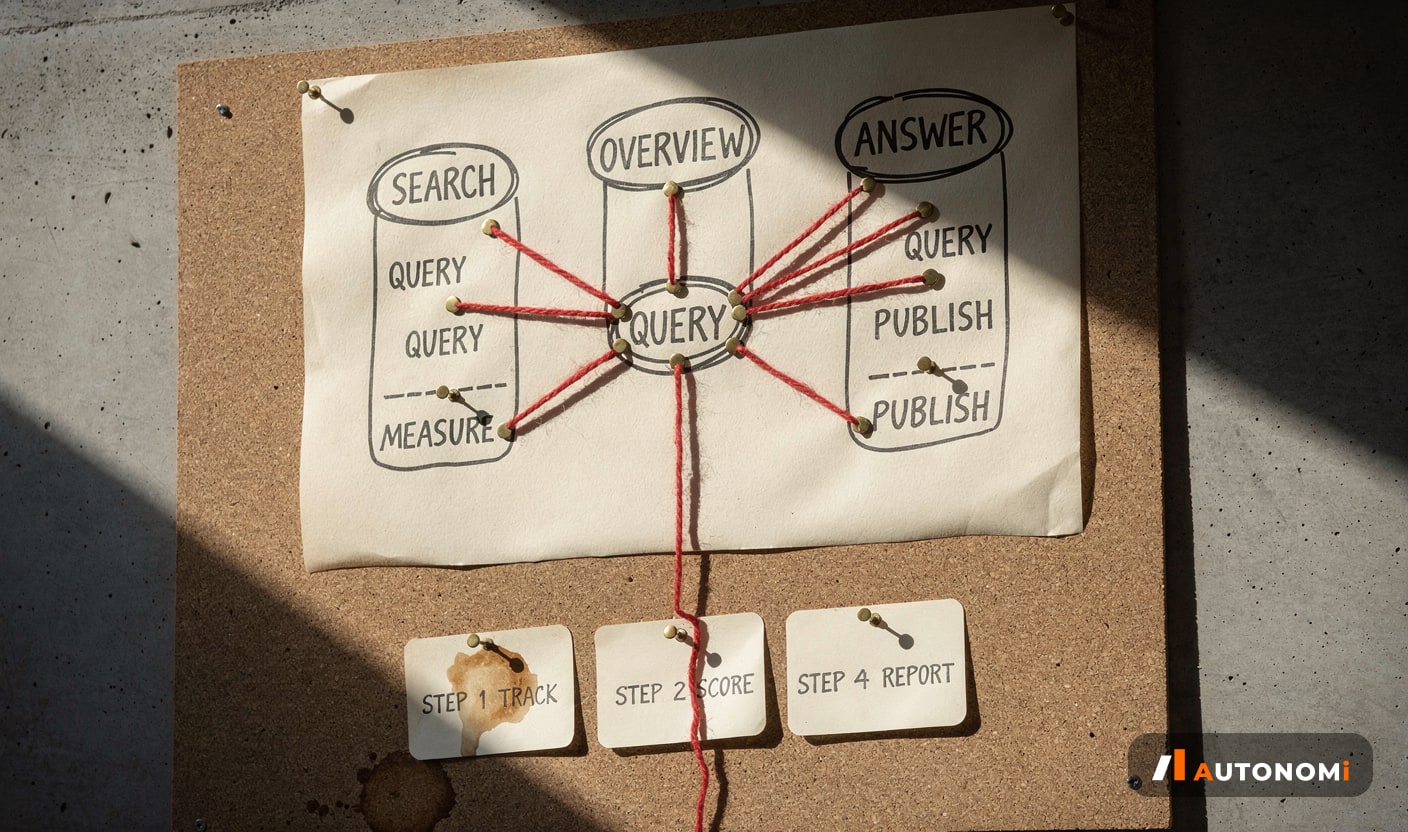
The four windows that matter in lead follow-up are well understood inside any BDC that's been audited: 5 minutes, 1 hour, next-day, and 3-day. Our own breakdown of what it takes to rebuild a broken callback cadence walks through why each window exists and what a compliant cadence looks like on paper. What that piece doesn't dwell on — because it's a repair playbook, not a diagnosis — is why the cadence breaks in the first place, every time, in the same shape.

It breaks because a human queue has a ceiling. A BDC rep can work maybe 15-20 leads in active rotation before follow-up quality degrades. Friday afternoon, month-end push, a manager out sick, a slow CRM day — any of these pushes lead volume above that ceiling, and the queue doesn't fail gracefully. It fails silently. The rep works the leads they can see; the ones that scroll off the first page of the queue wait. Nobody decided to deprioritize that 6:15 PM lead. The system just ran out of hours before it ran out of leads.
This is exactly the pattern dealer-ops forums describe as a chronic complaint distinct from lead quality — the lead was fine, the follow-up wasn't. It's also a pattern that repeats on a predictable schedule (Friday afternoons, first-of-month pushes, holiday weekends) which means it isn't random noise. It's a structural gap in a system built around human bandwidth.
Does an AI Chatbot Actually Fix a Missed Callback Window?
Most of the AI-BDC vendor pitch is built around the wrong half of the problem. A chatbot that qualifies leads on the website, or a voice AI that handles inbound calls, addresses conversation quality — it's trying to have a better first conversation than a human would. That's a real product category and some of it works, which is a separate argument we've made elsewhere about which AI-BDC vendors actually deliver what they promise.
But conversation quality was never the thing decaying on a busy Friday. The 5-minute window doesn't close because the eventual conversation was bad — it closes because there was no conversation at all inside 5 minutes. A chatbot that's better at qualifying doesn't help if it only gets deployed to the leads the queue already reached. The gap isn't in what gets said. It's in what gets triggered, and when, independent of whether a human is available to say it.
This is a scheduling-and-reliability problem wearing a conversation-quality costume. The fix has to run underneath the BDC, not instead of it — a layer that fires the right message at the right window on a fixed clock, regardless of staffing, and hands off to a human the moment intent justifies it.
What Does an AI Layer That Never Misses a Callback Window Actually Look Like?
The mechanism is simpler than most AI-BDC pitches make it sound, and that's the point — reliability comes from removing variability, not adding intelligence. A follow-up sequence that runs on a fixed daily sweep doesn't care if Friday was busy. It doesn't skip the 1-hour window because the rep was on another call. It fires the message, logs the attempt, and moves the lead to the next window on schedule, every day, whether the BDC processed ten leads or two hundred.

That's a fundamentally different reliability model than staffing more reps or hoping the queue clears. Adding headcount smooths the ceiling but doesn't remove it — a bigger BDC still has a Friday where volume outruns capacity, it just takes a bigger Friday to get there. A scheduled, automated sweep has no ceiling to outrun. It processes what's due, every day, at the same time, whether that's five leads or five hundred.
The other piece that has to be built in from the start, not bolted on later, is compliance. Automated SMS and email follow-up touches TCPA consent rules and CTIA messaging guidelines the moment it fires without a human reviewing each send. Automated SMS follow-up to consumers is governed by TCPA consent requirements and CTIA messaging guidelines, which is why an unsubscribe and STOP/HELP handling layer has to be built into the sequence, not treated as an afterthought. A follow-up engine that ignores this isn't saving the BDC time — it's creating a liability that shows up months later as a complaint file.
What Happens to the Callback Windows When a Human BDC Rep Gets This Layer Underneath Them?
The 5-minute window becomes a message that goes out in 5 minutes, every time, whether or not a rep is at a desk — and a live handoff the moment the lead responds or shows real intent. The 1-hour and next-day windows stop depending on where a lead sits in a manual queue and start firing off the same clock that never gets backed up. The 3-day window — the one most BDCs drop entirely because by day three the lead already feels stale to the rep working it — still fires, because the sequence doesn't experience staleness. It experiences a schedule.
None of this replaces the BDC's actual job: reading intent, handling objections, closing the appointment. It removes the part of the job that was never really a BDC skill to begin with — remembering that lead #340 is due for a touch at 6:15 PM on a day when lead #340 was the eleventh thing on someone's list. That's not a sales skill. It's a scheduling problem, and it's the kind of problem software solves better than people do, reliably, every single day, including the Fridays that break everything else.
What's the Actual Cost of a Missed Callback Window?
Dealer groups tend to price the BDC problem as a staffing cost — more reps, better shifts, an overflow vendor for peak hours. That's pricing the symptom. The real cost is the lead that was fully qualified, fully in-market, and simply never got the message at the moment it mattered, then bought somewhere else and never generated a complaint, a bad review, or any signal that would show up in a monthly report. It just disappears from the funnel with no attribution to the cause.
That invisibility is what makes the problem persist. A missed 5-minute window doesn't look like a missed 5-minute window in a CRM report — it looks like a normal lead that didn't convert, indistinguishable from a genuinely unqualified one. Dealer groups that have audited this seriously usually find the gap is bigger than the lead-quality gap they were originally trying to fix, because lead quality gets scrutinized constantly and cadence reliability almost never does.
How AUTONOMi Solves This
This is the case for treating follow-up as infrastructure rather than headcount. A callback window doesn't care whether the BDC is fully staffed, short-handed, or out sick — it closes on the same clock either way. The dealerships that stop missing it are the ones that stop routing every lead through a human bottleneck for the first touch, and instead let the follow-up cadence run on its own schedule, independent of who's on shift that day.
The sweep doesn't check whether Friday was busy. It checks what's due, and it sends it. That's the entire fix for the decay pattern described above — not a smarter conversation, a follow-up clock that can't get backed up.The SMS layer is built TCPA- and CTIA-compliant from the ground up, with STOP/HELP keyword handling and persisted unsubscribe state, so the automated cadence doesn't trade reliability for compliance risk. That was a deliberate design choice, not a feature added after a complaint — a follow-up engine that can't prove consent handling isn't a follow-up engine a dealer group can safely turn on.
LANE doesn't try to replace the BDC's judgment. It hands off to the human rep the moment a lead's engagement crosses a real intent threshold — the conversation still happens with a person. What LANE removes is the part of the job that depends on a queue never backing up: the 5-minute, 1-hour, next-day, and 3-day triggers that used to live or die on whoever happened to be free when the lead came in. Every action AEGIS takes on a dealer's behalf — including LANE's follow-up sends — is hash-chained into an audit trail the dealer can read, so there's a verifiable record of exactly when each sequence fired, not just a claim that it did. For a dealer group that's already rebuilt its callback SOP once and watched it decay again six months later, that's the difference between a policy and a system that enforces the policy without anyone watching it.
Where Does This Go From Here?
The dealer groups solving this correctly aren't the ones hiring more BDC staff or shopping for a chatbot to replace the reps they have. They're the ones asking a narrower, more useful question: what part of our follow-up cadence depends on a human queue never backing up, and how do we remove that dependency without removing the human from the conversation that actually closes deals. That's an infrastructure question, not a staffing question, and it's one most BDC audits still don't ask because the symptom looks like a lead-quality problem until someone checks the timestamps.
If your group has already run the 14-day cadence rebuild and watched the same Friday-afternoon decay creep back in three months later, the gap isn't the SOP — it's that the SOP still depends on people executing it under load. You can start a pilot to see what a callback cadence looks like when it runs on a clock instead of a queue, on the leads you're generating right now.