Why Is Carvana Growing While Franchise Dealers Are Losing Ground?
Carvana is growing again. Franchise dealers who compete for the same used-car buyer are not losing on price. They are not losing on selection, on financing, or on brand recognition. Carvana's competitive advantage is built on a single architectural fact: every lead it receives is processed by software, not by a person, within minutes of submission, regardless of the hour. The franchise dealer's BDC works 9 AM to 8 PM, Monday through Saturday. Carvana works every hour of every day.
That gap is not a staffing problem. It is a design problem. And the dealers who treat it as a staffing problem will keep losing ground to a company that treats it as an engineering problem.
CBT News reported this week on what Carvana's continued growth means for traditional franchise dealers, noting that the gap is real and the reasons are structural rather than cyclical. The phrase "digital-first purchase experience" gets used so often it has stopped meaning anything specific. Let's be specific: it means a shopper submits a lead form at 10:47 PM on a Sunday and receives a confirmation, a next-step prompt, and a follow-up within the same hour. The franchise dealer the same shopper also contacted did not respond until 9:12 AM the following Monday morning.
By 9:12 AM, the shopper had already booked a Carvana test drive.
What Does the Response-Time Gap Actually Cost a Franchise Dealer?
Research by MIT and InsideSales.com found that responding to a web lead within five minutes makes a business 21 times more likely to qualify that lead than responding after 30 minutes. The franchise BDC model, built on human availability, structurally cannot meet that window outside of business hours.

The economics compound. A dealer running 250 internet leads per month, with 40 percent arriving outside staffed BDC hours, is leaving roughly 100 leads per month in a queue that will not be touched until the next morning. Some of those leads respond when the BDC finally calls. Many do not. Some went to Carvana. Some went to a competitor who answered faster. Some simply cooled off, the urgency of the moment gone by the time the dealer's phone rang.
None of this is recoverable with more staff. Staffing a BDC around the clock for 100 off-hours leads per month is not an economic option for the median franchise dealer. The cost per qualified lead from a third-shift BDC agent would swallow any margin the deal generates.
The answer is not more people. The answer is not calling the lead at 8 AM with a scripted opener the buyer has heard forty times. The answer is closing the gap between when the lead arrives and when the buyer receives a substantive, relevant response, including the hours when no human in the dealership is awake to send one.
Why Does the BDC Model Fail After Business Hours?
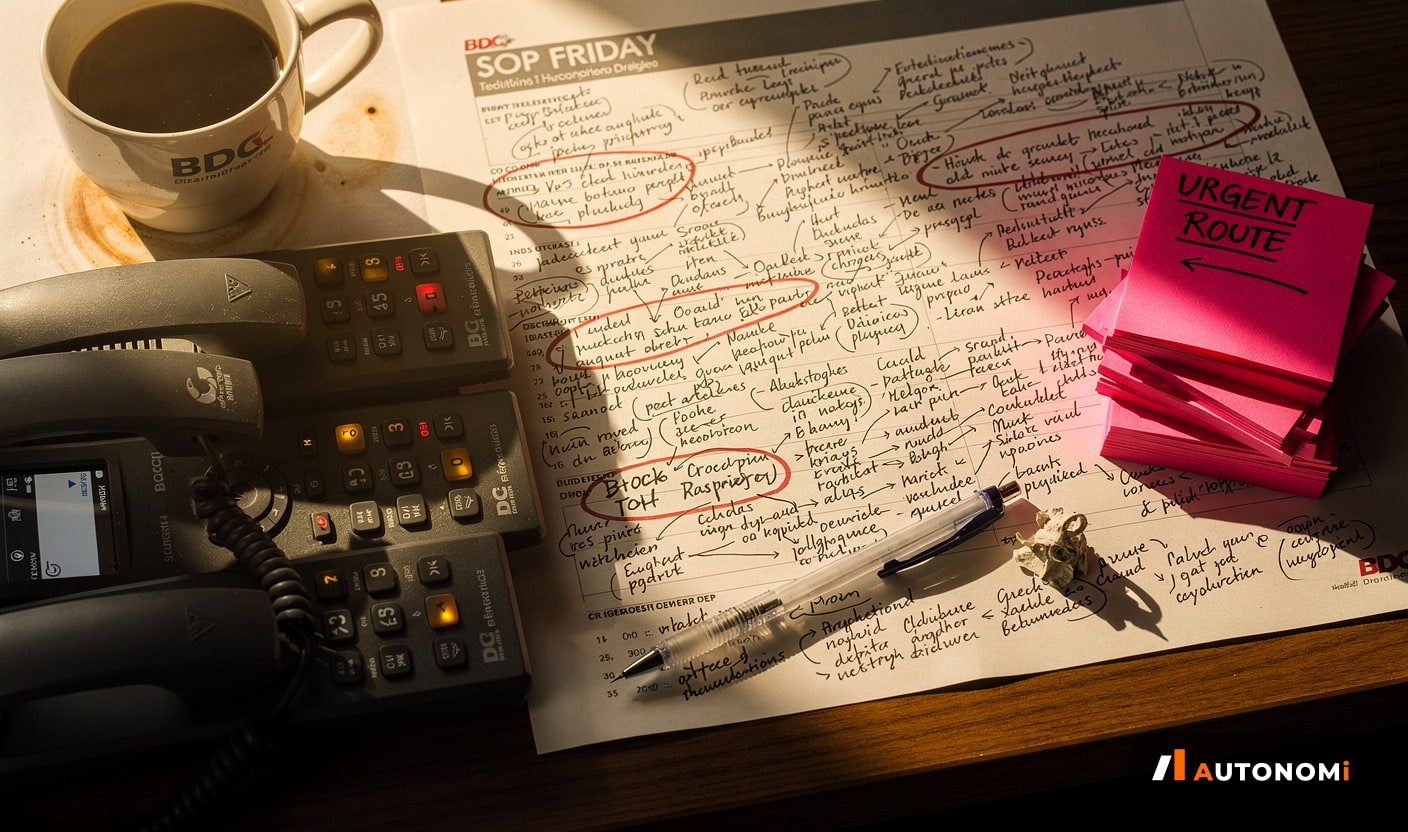
The BDC was designed to process volume during business hours. It was not designed to respond to inbound leads at 11 PM. Most dealers know this. The workaround has been to collect the after-hours leads into a queue, distribute them to agents the following morning, and hope enough of the leads are still warm to justify the follow-up.

That hope is expensive. The buyer was most engaged in the hour they submitted the form. That is what actively researching means: they opened a browser, compared options, and filled out a form. A competitor who responds in that window catches them at peak intent. A competitor who responds the next morning catches them after a night of sleep and possibly after a Carvana appointment has already been booked.
The failure is not the BDC team's fault. It is the architecture. A human-only follow-up system has a hard floor at the cost of a human being, and that cost does not scale to 24 hours a day. Every lead that arrives outside staffed hours is, by definition, a lead the current BDC architecture cannot answer on time.
Carvana has no BDC. It has software. That is not a philosophical statement about the future of work. It is a factual description of why a franchise dealer with a better selection, a better location, and a better service department is still losing leads to a company that has, by almost every measure, a worse physical product experience. The software answers first. First contact shapes the outcome.
This same dynamic plays out on the phone side. As covered in an earlier piece on the phone-call gap, the conversion problem is not at the point where a human picks up. It is in the gap before that call is ever attempted, the window between a form submission and the first meaningful contact.
Is the Problem the Lead Form, the Follow-Up, or the Handoff?
Dealers who have run through this analysis tend to land in one of two places. Either they conclude the lead form itself is the problem, and start looking for ways to capture "better" leads, or they conclude the follow-up is the problem, and start looking for CRM automation sequences that send the same generic three-email drip every dealer already sends.
Neither diagnosis is right.
The lead form works. It captures buyers at a moment of declared intent. The follow-up, done well, works. The problem is specifically the gap between lead arrival and first contact, and the drop-off in persistence once first contact does not yield a response. Human BDC agents make two or three attempts and move on. Buyers, particularly off-hours buyers, often need six or seven touches over several days before they resurface.
The handoff is also a problem, but a different one. A follow-up system that runs forever, sending messages to every lead regardless of where that buyer is in the process, is not better than a system that stops too soon. What the dealer needs is a follow-up layer that runs a structured cadence, respects the buyer's lack of response without abandoning the lead entirely, and surfaces the engaged buyer to the human BDC at the point where a conversation is worth having.
That is a sequencing and persistence problem. It is solvable with the right architecture. What it is not solvable with is a CRM automation sequence that fires three emails and calls it done. For a sharper look at what AI-driven personalization in the follow-up actually requires, the mechanics start before the lead form submits, not after.
What Does a Compliant AI Follow-Up Layer Actually Look Like at a Dealership?
The gap between what most dealers call "AI follow-up" and what the term should mean is substantial. Most implementations are autoresponders with a chatbot wrapper. They fire a generic acknowledgment, send a pre-written sequence, and hand off nothing to the BDC because there is no handoff logic.
A real follow-up layer has to solve several problems simultaneously.
First, it needs to reach inbound leads with a sequenced email and SMS cadence that covers the days following submission. Not a single message. Not three messages over 24 hours. A structured multi-day sequence that persists through the silence that is typical of a buyer who submitted at 11 PM and forgot by morning, but will resurface when the right message arrives at the right time.
Second, it needs to be legally compliant at the carrier and regulatory level. The TCPA governs automated text messaging to consumers, imposing an 8 AM to 9 PM quiet-hours window at the federal level, with a number of states applying stricter statutes: Texas runs 9 AM to 9 PM Monday through Saturday and noon to 9 PM Sunday under SB 140; Florida, Oklahoma, and Washington each cap outbound at 8 AM to 8 PM under their respective statutes. A follow-up system that does not know what state the buyer is in, or that fires a text at 6:45 AM because a sequence timer ran, is a compliance liability.
Third, it needs a shared suppression ledger. A buyer who opts out via SMS should never receive a follow-up email. A buyer who unsubscribes from email should not receive a text. These are not separate systems. They are one opt-out state, and any architecture that treats them as separate is one message away from a TCPA violation.
Fourth, and most important: the follow-up layer has to know when to stop being automated and start being human. The BDC closes deals. Automated sequences open doors. A system that never hands off is a system that turns engaged buyers into opt-outs.
The right frame is not voice AI or phone-answering scripts. The right frame is: what is the fastest, most compliant, most persistent way to bridge the gap between lead submission and a live BDC conversation, including on the Sunday nights when no one in the dealership is watching a queue?
How AUTONOMi Approaches This
LANE is AUTONOMi's AI sales follow-up layer, built specifically for inbound leads at franchise dealerships and anchored to the dealer's live inventory. It is not a chatbot overlay. It is not a phone-answering tool. LANE does not make outbound cold calls.
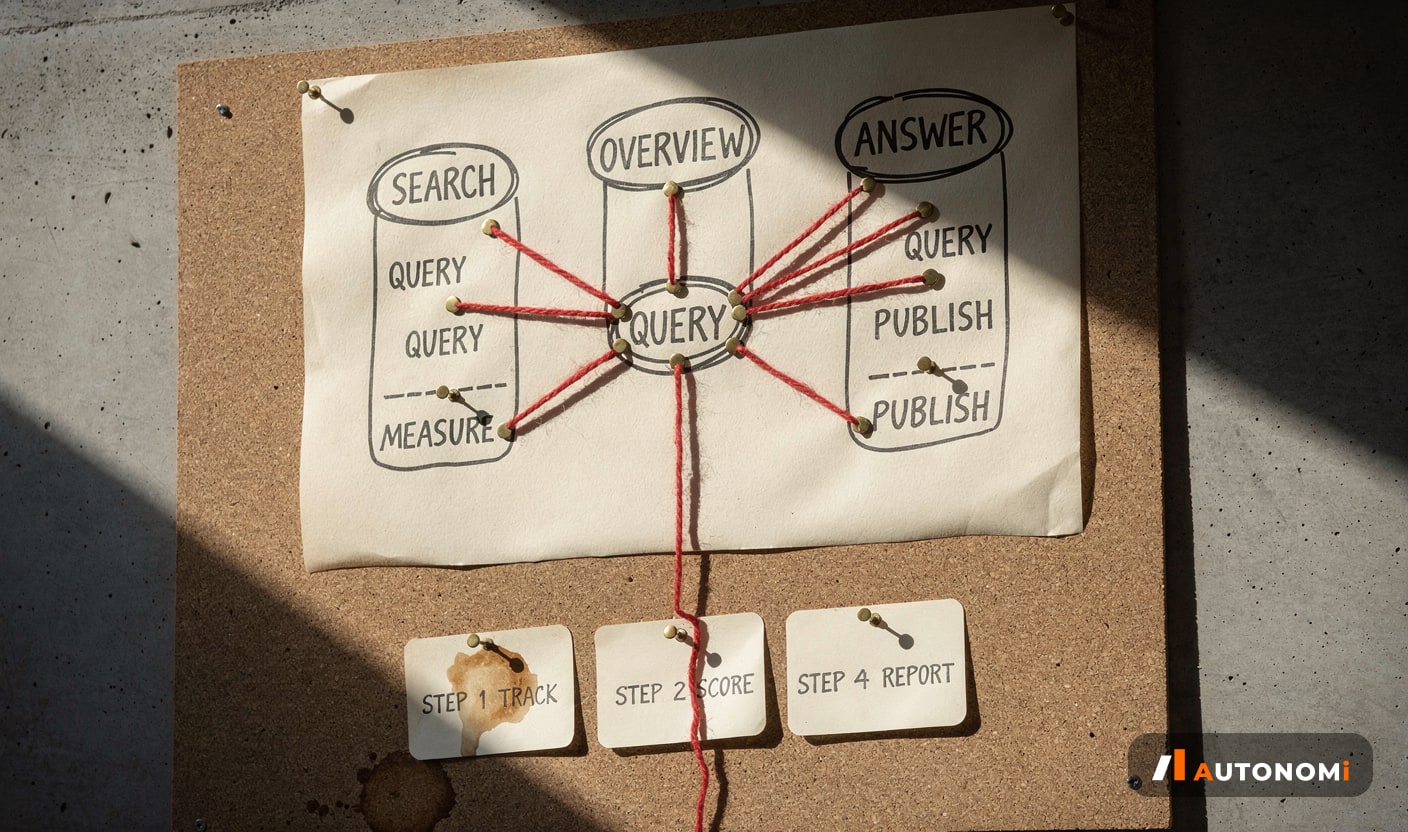
LANE runs a daily follow-up sweep that processes inbound lead enrollments and fires structured email and SMS sequences to buyers who have not yet engaged with the dealership. That sweep runs every day. It does not wait for a BDC agent to log in. It does not depend on a queue being reviewed. It runs through the follow-up obligations the dealer has accumulated and fires the next touch in each buyer's sequence.
LANE's SMS layer is TCPA and CTIA compliant, with STOP and HELP keyword handling and a persisted unsubscribe state that honors opt-outs across subsequent touches. Quiet hours are state-law-aware: Texas, Florida, Oklahoma, and Washington each enforce their own stricter statutes on file, with the federal TCPA 8 AM to 9 PM window applying everywhere else. A single shared ConsumerSuppression ledger is written by every opt-out surface and checked before every LANE email and SMS leaves. An unreadable ledger holds the send rather than risk it.
Each week, LANE regenerates the per-dealer playbook from the prior 30 days of sessions, incorporating winning patterns, objections surfaced, and buyer posture signals into the structure of the follow-up sequence going forward. The sequence is not static. It is rebuilt weekly from real evidence of what has worked at that dealer.
LANE does not replace the BDC. It hands off to the BDC when a buyer's intent crosses a threshold, so the human conversation begins at the point where it has the best chance of closing, not at the point where a timer fired and an agent grabbed the phone.
The dealer who deploys LANE does not need to staff a third-shift BDC. They need to close the gap that Carvana exploits: the hours between lead submission and the next morning, and the persistence gap between first non-response and the fifth or sixth touch that finally lands. LANE covers that gap. The BDC covers the rest.
The Franchise Dealer Does Not Need to Be Carvana
Carvana built a business on eliminating the friction that franchise dealers never fixed. The price transparency was part of it. The delivery experience was part of it. But the biggest structural advantage Carvana owns is not product. It is response speed, at every hour, on every day, without a human in the loop until the deal is nearly done.
The franchise dealer has real advantages Carvana cannot replicate: service history, trade-in relationships, OEM certification, physical inventory the buyer can see and touch before signing. The franchise dealer loses those advantages before they become relevant when the lead never converts into a conversation.
The fix is not a new CRM. It is not a third-party lead vendor. It is not a larger BDC headcount. The fix is a follow-up layer that runs while the BDC is closed, persists through the silence that loses most leads, and hands the engaged buyer to the human team at the right moment.
That is a solvable problem. The dealers who solve it first will take back the segment Carvana has been building its growth story on. If you are ready to close the gap on your own lot, get started with AUTONOMi and put LANE to work on the leads your BDC cannot reach tonight.