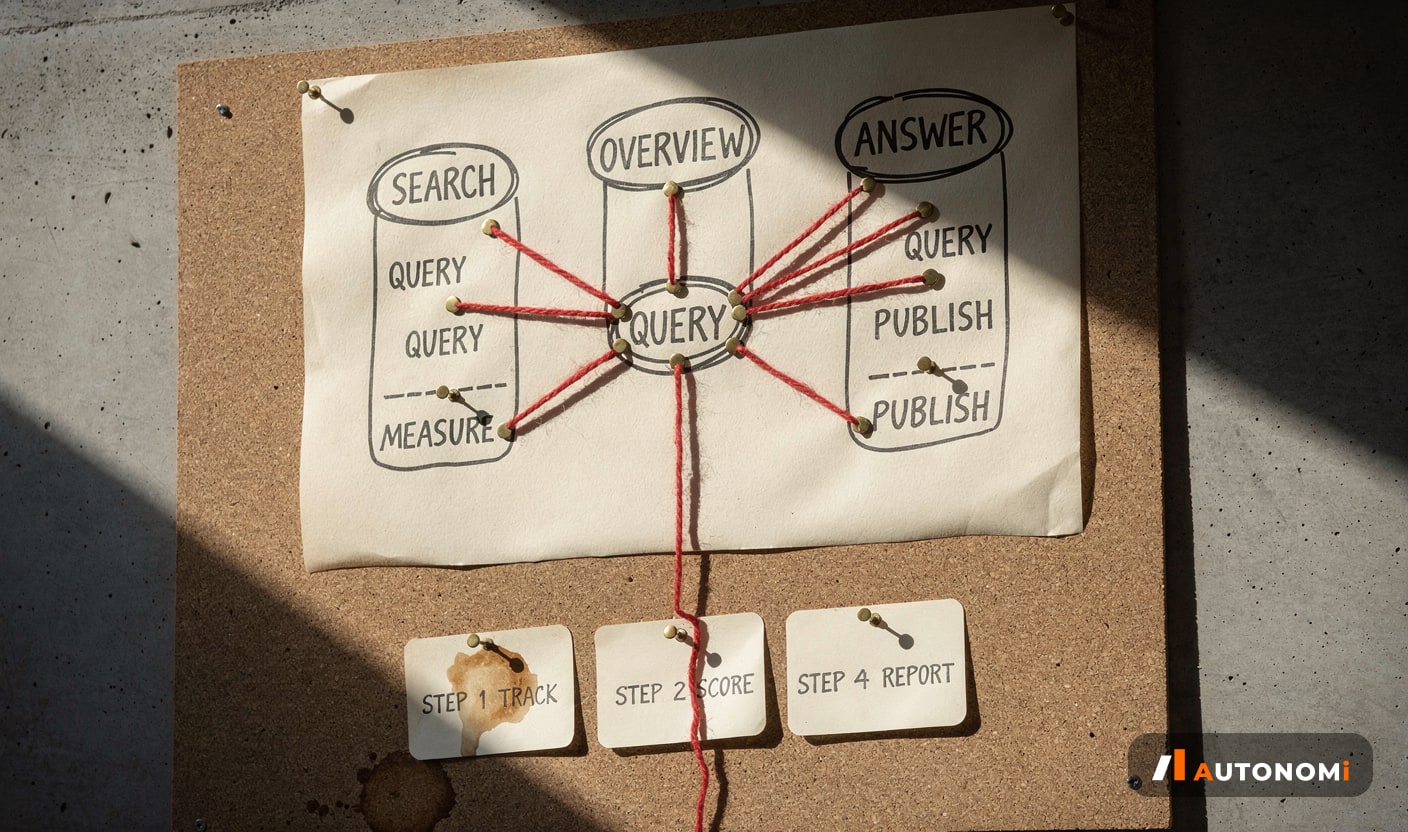
There is a lead in your CRM right now that nobody called. It submitted at 11:47 PM on a Sunday, routed to the BDC queue, and sat there until Monday morning when it was eleven hours old. By then, the buyer had already moved on: a quick search, a competing form, a phone number that went to voicemail. The sale was not lost at the negotiation table. It was lost in the gap between form submission and first contact, a gap that exists at every dealership that closes at 7 PM and opens at 9 AM.
Search for "AI for car dealerships" today and you will get a wall of chatbot demos, CRM upsell decks, and conference panel clips about the future of automotive retail. What you will not get is a precise, operational answer to the question that actually determines whether AI moves a dealer's P&L. This article is that answer.
The question is not philosophical. It is a sequence of events: what fires, in what order, the moment a lead form submits at 11:47 PM on a Sunday when the BDC is closed and the showroom floor is dark.
What Does "AI for Car Dealerships" Actually Do at Midnight When the BDC Is Closed?
The honest answer requires separating what the vendor category claims from what the technology actually executes. The vendor category is broadly "AI for dealerships," and it contains three distinct things that are routinely conflated: chatbots that handle inbound chat on a dealer website in real time, phone-answering AI that fields incoming calls and routes them, and inbound lead follow-up infrastructure that processes form submissions and works leads through a cadence over days.
These are not the same product. They do not solve the same problem. A chatbot on a VDP helps a shopper who is actively browsing at midnight and wants to ask a question. A phone answering tool handles a shopper who calls the dealership at midnight. Neither of them touches the lead that filled out a contact form at 11:47 PM, closed the browser, and went to sleep.
That third shopper, the one who submitted a form and is now offline, is the one most dealers have no infrastructure to handle. The BDC cannot call at midnight. The CRM will hold the lead until the team arrives in the morning. And by the time someone dials, the best-case response window has already closed.
The franchise dealer's structural disadvantage relative to digitally native retailers is not product or price: it is response speed in the hours the BDC is not staffed. The lead form gap is where that race is actually decided, not on the lot and not at the desk.
Why Does the Industry Keep Answering a Different Question?
The search results for "AI for car dealerships" are dominated by products that solve the visible problem: the unanswered phone call, the unmanned chat widget, the after-hours voicemail. These are real problems, and the products that address them are real products. But they are the visible tip of a much larger operational gap, and they have the marketing budgets to occupy the search results that the operational problem deserves.
The result is a category mismatch. A dealer executive searches for "AI bdc for car dealerships," reads three product pages about AI phone answering, and concludes that AI for the BDC means voice. It does not. The BDC's actual constraint is not the phone. It is the size of the follow-up window that runs between the moment a lead arrives and the moment intent cools. That window is measured in minutes for the first contact and in days for the full cadence. Staffing cannot cover it. A phone script cannot automate it. The question is not whether to answer the phone at midnight. The question is whether you have the infrastructure to work that lead for the next 14 days without a person in the loop every time.
The phone call category has been getting the wrong diagnosis for years: the real gap is not at the moment a call is picked up, but in the window before that call is ever attempted, and in everything that happens to a lead that never picks up the phone at all.
What Actually Fires at 11:47 PM on a Sunday?
Here is the operational sequence for a lead that submits at 11:47 PM on a Sunday at a dealership running an inbound AI follow-up layer. This is not a hypothetical. This is what the infrastructure executes.

The lead form fires. The submission is captured. The CRM receives the lead via ADF/XML delivery, the standard automotive lead format every dealer CRM ingests, so the record exists in the system the BDC team will open Monday morning.
Simultaneously, the follow-up enrollment is created. The lead is tagged with the context available at submission time: the vehicle the shopper was looking at, the condition (new or pre-owned), the form type, the timestamp. This enrollment record is what the follow-up engine will process on its daily sweep.
LANE, AUTONOMi's inbound AI follow-up layer, runs a daily follow-up sweep at 09:00 ET that processes due enrollment rows and fires email and SMS sequences to inbound leads.✓ Oct 9 The Sunday night lead is in that queue. When the sweep fires Monday morning, the lead is already enrolled, the first touch is already staged, and the sequence begins before the BDC team has opened their CRM tab.
The first contact is not a blast email. Leads captured through LANE are delivered to the dealer's CRM as ADF/XML to the dealer's lead-routing inbox, the same path every dealer CRM already reads, so the lead lands in the BDC queue as a record the team can work alongside the automated cadence.✓ Oct 9
The shopper wakes up Monday morning. By the time they check their phone, there is already a message from the dealership. Not a generic "thanks for contacting us" autoresponder. A message that names the vehicle they inquired about, states what the dealership can do for them, and gives them a clear next step. The BDC is not open yet. The AI already made contact.
What Does a TCPA-Compliant 14-Day Follow-Up Sequence Actually Look Like?
The follow-up sequence is not a drip campaign. A drip campaign fires on a calendar schedule regardless of what the lead does between touches. A follow-up sequence governed by TCPA compliance is a different structure: it runs on a cadence that is responsive to contact status, it respects statutory quiet hours by state, and it terminates immediately when the lead opts out through any mechanism.
LANE's SMS layer is TCPA and CTIA-compliant: STOP and HELP keyword handling is built in, and opt-out state is persisted so a lead who texts STOP is immediately removed from further outreach across every channel.✓ Oct 9
SMS quiet hours in LANE are state-law-aware for the states with verified stricter statutes on file: Texas, Florida, Oklahoma, and Washington each carry their own send-window rules, with the federal TCPA 8 AM to 9 PM window applying everywhere else.✓ Oct 9 A lead in Texas does not receive a text at 7 AM. A lead in Florida does not receive one after 8 PM. These are not user settings. They are statutory floors that the system applies automatically.
One shared do-not-contact ledger is written by every opt-out surface: unsubscribe clicks, spam complaints, hard bounces, SMS STOP keywords, and privacy requests all write to the same record, and that record is checked before every LANE email and SMS leaves.✓ Oct 9 An unreadable ledger holds the send rather than risking it.
The sequence runs through a 14-day window, with touches spaced across email and SMS. Each touch is built from the shopper's actual journey facts: the vehicle they inquired about, the condition, whether they have visited the site since the initial inquiry. Each LANE touch is filled from the enrollment record's live facts, not from a generic template that ignores what the shopper actually looked at.✓ Oct 9
The shopper who replies gets a different path. Real personalization in AI follow-up starts before the lead form submits and continues through every touch based on what the shopper actually does, not what the system assumes they will do.
The shopper who does not reply is not texted indefinitely. The cadence is capped. Every consumer marketing text from LANE, including follow-up sequences, leaves from the dealership's own registered line and is capped at 4 messages per number per rolling 30 days on the dealer-line ledger.✓ Oct 9 Replies and confirmations are not counted against the cap. The system stops before the law requires it to stop.
This is not what most dealers think of when they hear "AI follow-up." Most dealers have an autoresponder that fires one email and a BDC script that calls three times before giving up. The operational gap between those two things is where AI actually moves the P&L.
When Does LANE Hand Off to a Human, and Why Does the Threshold Matter?
The handoff question is the one that separates AI follow-up infrastructure from AI that replaces the BDC. LANE does not replace the BDC. It handles the volume that the BDC cannot cover: the after-hours leads, the weekend submissions, the leads that go cold before a team member ever dials. When a shopper's behavior crosses a threshold that indicates genuine purchase intent, LANE hands the lead to the BDC as a confirmed, qualified record.

LANE passes a lead to the BDC when intent crosses a threshold: a reply, a re-engagement, a request to speak with someone. At that moment the automated sequence stops, and the lead enters the BDC's queue as an engaged record with the shopper's own words attached.✓ Oct 9
The threshold matters because the alternative is worse in both directions. Hand off too early and the BDC is working leads that are not ready, burning time on shoppers who are still in the research phase. Hand off too late and a buyer who wanted to talk to someone three days ago has already bought somewhere else. The infrastructure's job is to hold the lead and build intent signal until the handoff is warranted, then get out of the way.
LANE does not make outbound cold calls and is not designed as a phone-answering service: it is inbound-lead follow-up infrastructure, built for the leads that came to the dealer first.✓ Oct 9 The phone-answering problem is a different product category. Conflating them is how dealers end up buying the wrong tool for the gap they actually have.
The BDC team that works with LANE running behind them is not doing less work. They are doing different work: managing conversations that are already warm instead of cold-dialing a list of stale leads from the weekend. That is a different job and, for most teams, a much more productive one. The 11:47 PM Sunday lead that arrives Monday morning warm is a different conversation than the eleven-hour-old cold record the team used to open to.
How AUTONOMi Solves This
LANE is AUTONOMi's inbound AI follow-up and chat layer — a standalone product line gated by the dealer's own activation, anchored to the dealer and their live inventory rather than to any particular website, platform, or third-party system. It is not a chatbot and it is not a phone answering service. It is the infrastructure that runs the follow-up work the BDC cannot staff for.
It is not a chatbot and it is not a phone answering service. It is the infrastructure that runs the follow-up work the BDC cannot staff for.Every lead LANE processes is delivered to the dealer's CRM via ADF/XML to the dealer's own lead-routing inbox, the automotive-standard lead path that every dealer CRM already ingests, with no third-party bridge required.✓ Oct 9 The record exists in the BDC's queue from the moment the form submits. LANE does not create a parallel system the BDC has to check separately. It fills the gap in the existing system the team already uses.
The SMS layer requires double opt-in before any marketing text is sent: a consumer is enrolled only when their number replies YES, and STOP, HELP, and plain-language opt-outs are honored immediately and written to the suppression ledger across every channel. The carrier registration runs under the dealership's own legal identity, filed by AUTONOMi as the dealer's agent, with the required language drafted for the dealer's own privacy policy. The program runs in the dealership's name, not AUTONOMi's.
Every LANE action runs under AXIOM, AUTONOMi's governance engine, which gates spend, enforces compliance, and hash-chains every dealer-impacting decision to a dealer-readable audit trail. The follow-up cadence does not operate outside the same guardrail structure that governs ad spend and creative compliance. When a lead's opt-out fires, the ledger records it, the send stops, and the record is there if the dealer ever needs to demonstrate compliance.
The dealer who runs LANE does not have a "smarter autoresponder." They have follow-up infrastructure that works the Sunday night lead through a compliant, personalized sequence, delivers it to the BDC as a warm record Monday morning, and stops the moment the shopper asks it to. The BDC closes more of those leads because they arrive warm instead of cold. The 11:47 PM submission is no longer a write-off.
The Dealers Who Answer the Midnight Question First
The gap between a lead submitting at 11:47 PM and a human picking up the phone is not a staffing problem any dealer can solve by hiring. The economics do not work and the compliance requirements for after-hours outreach mean that "more people" is not the answer. The answer is infrastructure: a system that runs the first 14 days of follow-up without a person in the loop, at every hour, with the legal and operational rails already built in.
The dealers who install that infrastructure first will work with a structural advantage that is difficult to replicate. The search results for voice AI and chatbot AI will not tell you this: the conversion problem is not at the phone and it is not in the chat window. It is in the gap between a form submission and a warm conversation, the gap that currently belongs to whoever the shopper contacted next. That gap can be closed. Most dealers have not closed it yet, which means the dealers who move first are not competing for it on an even field.
If you want to see exactly what LANE does in your stack, on your leads, on your CRM's existing routing, the clearest path is to sign up and let the sequence run on the leads you are already generating. The Sunday night lead is already in your queue. The question is whether the infrastructure is there to work it.