A listing marketplace used its latest quarterly earnings call to launch a new product aimed at independent dealers.✓ Nov 7 Independents are being pitched a place to put their cars. They are not being pitched anyone to run the advertising around those cars.
Those are different purchases, and the industry keeps selling the first as if it were the second. A listing fee buys a slot. A campaign is a living thing that has to be built, watched and rebuilt every time the lot changes. An independent with no marketing staff has always had two options for that job: pay an agency retainer or leave it undone.
There is a third option now, and it is the reason the retainer is in trouble.
How Can I Create Effective Car Dealership Ads Without Hiring an Agency?
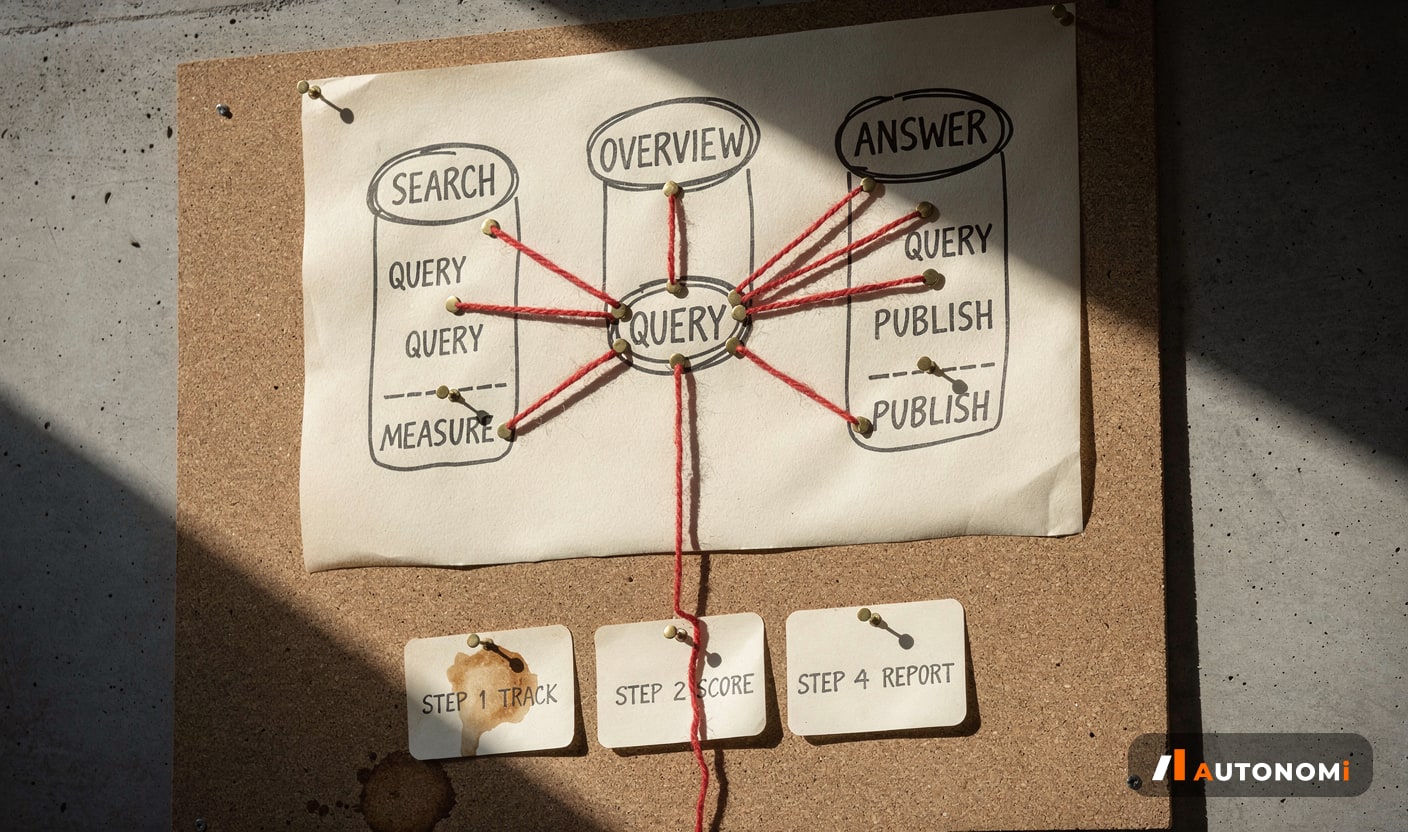
Start with what an agency actually does for the money. Strip away the monthly call and the slide deck and the job is four tasks: build the campaigns, keep them matched to the cars on the lot, move the budget where it works, and report on what happened.
Every one of those tasks is a repeating operation, not a creative act. The campaign for a car that sold last Tuesday has to come down. The ad that quotes last month's price has to change. The budget that was right when the month began is wrong by the second week. An agency does these things on a schedule set by its staffing, which usually means weekly at best and monthly at worst.
So the honest answer to the question is this: you can create effective ads without an agency if something else does those four tasks continuously, from your own inventory, in accounts you own. A dealer doing it by hand will fall behind within a month. A dealer with a tool that only displays reports will fall behind faster. The requirement is a system that acts.
Effective ads, in practice, share a short list of traits. They show a car the store actually has. They carry the current price. They send the click to a page that matches. They disclose what the law requires beside any payment. And they get adjusted when conditions change, not when a meeting is scheduled.
Why Is a Listing Fee Not a Campaign?
A listing puts a vehicle in front of people already browsing a marketplace. That has real value, and no one should pretend otherwise. But it is rented attention on someone else's property, priced by the marketplace, and it ends when the subscription does.

A campaign is different in three ways. It reaches shoppers who are not on the marketplace yet, on search results, social feeds and video. It is built and owned by the dealer, so the audiences, the learning and the history stay with the store. And it is adjustable by the minute: pause a model, raise a budget, rewrite a headline.
The listing product answers none of the operational questions. Who writes the ad copy for the search campaign? Who removes the sold unit? Who decides that the used budget should shrink because the new-car stock is heavy and the manufacturer incentive just changed? A listing fee leaves all of that where it was, with the agency or with nobody.
The independent who buys a listing product and calls it a marketing program has bought one channel and left the rest of the work undone. That is the sale the retainer industry made for twenty years, now repackaged with a different logo.
What Does an Agency Retainer Actually Buy?
It buys labor, mostly. A retainer pays for a person to open the ad platforms, make changes, and send a summary. When the work is routine, which most of it is, the retainer is paying for latency.
The latency is the expensive part. A sold car stays advertised until someone notices. A budget sits unspent until the monthly review. An agency finds a pacing miss in next month's review, after the unspent budget has lapsed, and by then nobody can recover the month.
There is a second cost that does not show on the invoice: opacity. When the agency owns the ad account, or runs it in a way the dealer cannot read, the dealer cannot answer a simple question: why did spend move from one channel to another last Thursday? If the only answer is a slide, the dealer is paying for decisions it cannot audit.
That is the real loser in this trend. Not the marketplace, which still sells a useful product. The loser is the retainer that charges for routine operations and the listing fee that is sold as if it replaced them.
Why Does the Feed Decide Whether the Ads Work?
Every modern ad format that sells cars depends on the same raw material: accurate, current inventory data. Vehicle ads on search and shopping surfaces read a feed. Catalog ads on social platforms read a feed. If the feed is stale, the ad shows a car that is gone or a price that is wrong, and the dealer pays for the click anyway.

A format is only as good as the feed behind it, and an independent dealer rarely has anyone whose job is the feed. That is why handing the problem to a person with a monthly retainer fails: the feed changes daily and the person looks monthly.
The fix is to make the inventory itself the trigger. When a car arrives, a campaign element should appear. When it sells, that element should go. When the price moves, the ad should move with it. This is not a creative idea. It is plumbing, and plumbing is what software does better than staff.
Who Should Move the Budget, and Who Should Explain Why?
Budget is where agencies hide the most. A split set at the start of the month and reviewed at the end is a guess with a long feedback loop. A monthly split cannot follow a market that moves daily.
The standard to hold any provider to, human or machine, is simple: every budget move gets a written reason, and the dealer can read it. Not a summary after the fact. A reason attached to the move, at the time it was made.
This is also what makes performance reporting honest. A store that keeps platform-reported conversions apart from units sold, and can see which decisions preceded which results, can judge its marketing without trusting a deck. If you want the method for that separation, start with what the platforms report and build from there.
How AUTONOMi Solves This
AEGIS builds a store's campaigns from the store's own inventory, which AUTONOMi captures by scraping the dealer's public website.✓ Nov 7 It composes and deploys campaigns across Google, Meta, TikTok and Microsoft, subject to the dealer's plan.✓ Nov 7 There is no feed to hand-maintain and no spreadsheet of units to send anyone.
Each day AEGIS re-scrapes the lot, compares it VIN by VIN for arrivals, sales and price moves, and rebuilds only the affected ad groups in place, carrying unchanged copy forward. That automated rebuild loop does not yet include Meta.✓ Nov 7 We say so because the claim has to survive being read by a skeptical GM.
The Strategic Advisor visits each store on Monday, Wednesday and Friday as its account manager, writes a thesis for the rest of the month, and sets each campaign's budget with a stated reason. It works inside limits that code holds: a person's own budgets and pauses, the dealer's own lines, platform floors and the approved budget. AXIOM reviews the plan before anything is written. AXIOM hash-chains every dealer-impacting decision, and the dealer can read that audit trail.✓ Nov 7 That is the answer to the question a retainer cannot answer: what moved, when, and why.
AXIOM hash-chains every dealer-impacting decision, and the dealer can read that audit trail.✓ Nov 7 That is the answer to the question a retainer cannot answer: what moved, when, and why.The ad accounts, analytics properties and tag containers are dealer-owned; AEGIS operates through delegated access the dealer can revoke at any time.✓ Nov 7 A dealer can also hand any channel back to itself with one switch, and AEGIS then touches nothing on it.✓ Nov 7 The Lite plan is $999 per month, with the Platform plan at $1,999 and Managed at $2,999.✓ Nov 7 Compare those figures to your current retainer and your current listing invoices before you decide anything else.
What Should an Independent Dealer Do Next?
Do not buy a listing product and call it done. Do not renew a retainer without asking the agency to show, move by move, why last month's budget changed. And do not accept any provider that holds the ad accounts in its own name.
The independents who win the next few years will be the ones who treat advertising as an operation that runs from their own inventory, not a subscription they feel good about. The marketplace will keep courting them, and some will take the listing. The ones who also run the campaign will be the ones whose cars sell first. If you want that operation running on your own lot, sign up and see it on your live inventory.