A shopper types a question into an answer engine before she ever opens a dealer website. The engine answers in a paragraph and names a few sources. The dealer whose page was not named never learns there was a contest.
The factors that decide who gets named are less mysterious than the SEO industry makes them sound. A page has to be extractable, attributable and dated. Most dealer blogs fail all three, and the agency retainer that pays for them cannot tell you which engine cited what.
This is the case that the page, not the dealership's ad budget or its domain history, is the unit that gets recommended. If you run a store or a group, the question is whether you can show your pages carry a date, a source and a check.
What Do Answer Engines Actually Need From a Dealer Page?
They need a sentence they can lift without losing its meaning. They need to know where that sentence came from. They need to know it is still true.
That is the whole job. An answer engine assembles a response from fragments, and a fragment is only usable if it stands alone, points to a source and does not look stale. A 900 word post that wanders through "five things to consider when buying an SUV" offers none of that. The fragments are vague, the sources are absent and the publish date is the only freshness signal on the page.
Notice what is not on the list: keyword density, post count, a monthly volume of articles. Volume was the currency of the retainer blog. It buys you pages, not citations.
What Factors Make ChatGPT and Perplexity Recommend One Dealership Over Another?
Three properties separate a page that gets named from a page that gets skipped. I will state them plainly, because the rest of this argument depends on them.
First, extractability. The page makes discrete factual assertions, each one a clean subject, predicate and object. "The 2026 model offers X" can be lifted. "There is so much to love" cannot. An engine cannot cite a mood.
Second, attribution. Each assertion traces to something outside the dealership's own say-so: a manufacturer page, a public record, a regulator. A claim with a verbatim supporting quote and a named verifier is a claim an engine can defend when it repeats it. A claim with nothing behind it is a liability for the engine, and engines that get burned stop citing the source.
Third, dating. A fact about an offer, a price or a program has a shelf life. A page that says when each claim was last checked, and when it expires, is a page the engine can trust to be current. A page that was true in March and has not been touched since is a page that quietly turns wrong.
Extractable, attributable, dated. That is the answer to the question as the engines frame it, and it is also an operating requirement, because none of the three happens by accident. They have to be built into how the article is produced.
Why Does the Retainer Blog Fail the Test?
Because it was never built to be checked. The retainer model sells output: four posts a month, a keyword report, a PDF at the end. Nothing in that workflow records where a claim came from, who verified it or when.

Ask your agency for the source of any factual sentence in last quarter's posts. Ask which of those sentences is still accurate today. Ask which answer engine cited which article. If the answer to all three is a slide about impressions, you are paying for pages that engines cannot attribute and cannot date.
The loser in this shift is not the dealer who writes less. It is the vendor whose deliverable is a PDF with no citation count in it. A report that cannot say "this article was cited by this engine on this date" is measuring effort, and effort is not what an answer engine rewards.
The same is true of the SEO audit that grades your site on page speed and meta tags while saying nothing about whether the claims on the page can be verified. Those audits were written for a ranking system that returned ten blue links. The recommendation system returns a paragraph, and it cares what the paragraph can stand on.
Is the Vehicle Page Part of the Same Problem?
Yes, and it is the part dealers control most directly. The vehicle detail page is now the showroom, and the price and availability it shows are exactly the facts an engine will be asked about. A stale price on a page that an engine has already cited is worse than no page.
Content pages and inventory pages fail for the same reason: nobody is checking them against a live source on a schedule. The fix is the same too. Facts that change must be re-verified, and facts that cannot be verified must be softened or removed.
What Does a Page That Carries a Date, a Source and a Check Look Like?
It starts as a graph, not a paragraph. Every factual assertion in the article is broken out as a structured claim: the subject, the predicate, the object, a verbatim quote from the source that supports it, the name of the verifier, the date it was last verified and the date it expires.
Then that graph is published alongside the article in a form machines already read. Schema.org defines a ClaimReview type for exactly this purpose, a structured record of a claim and the review of it. A page that ships that markup is handing an engine its own attribution work, already done.
Then the claims are kept alive. A claim that was verified in October and expires in January does not get to coast. It is re-verified on a schedule, and when a source contradicts it, the paragraph is rewritten and the contradiction is logged. The page the engine cited last month is not the same page, because it was corrected.
None of this is visible to a shopper as a gimmick. It is plumbing. The reader gets an article that is simply right more often, and the engine gets a source it can extract from, attribute and date without guessing.
How Do You Know an Engine Cited You at All?
You measure it, and you measure it nightly. Citation is the one outcome in this channel that is directly observable: either the engine named your article in its answer, or it did not. There is no need to infer it from traffic after the fact.

A store that cannot say which engine cited which article this week is running content on faith. The same AI test that now precedes the test drive has a scoreboard, and most dealers have never looked at it because their vendor does not produce it.
This is also where the audit question lands. Dealers are being told to audit their AI, and an audit needs a record written at the time. A claim graph is that record for content: what was asserted, what supported it, who checked it and when.
The AUTONOMi Approach: Every Article Ships With Its Own Evidence
Every article ECHO produces, for dealer blogs and for the AUTONOMi self-blog, ships with a machine-extractable claim graph.✓ Nov 5 Each factual assertion becomes a structured claim row with a subject, predicate and object, a verbatim supporting quote from an external source, a verifier, a last-verified date and an expiry date.✓ Nov 5 The same engine that writes dealer blogs wrote this post.
The claim graph is rendered into schema.org ClaimReview JSON-LD alongside the article.✓ Nov 5 A nightly claim-refresh job re-verifies expiring claims, and when a source contradicts a previously verified claim, AEGIS redrafts the paragraph and the contradiction is logged.
On dealer blogs, claims are extracted and verified before publish, and an unverifiable claim is corrected or removed before the article ships.✓ Nov 5 High-risk predicates such as pricing, lease, finance APR, cash incentives, warranty, compliance and legal claims additionally require two-source corroboration.✓ Nov 5 That is the rule that keeps a store's offer language from outliving the offer.
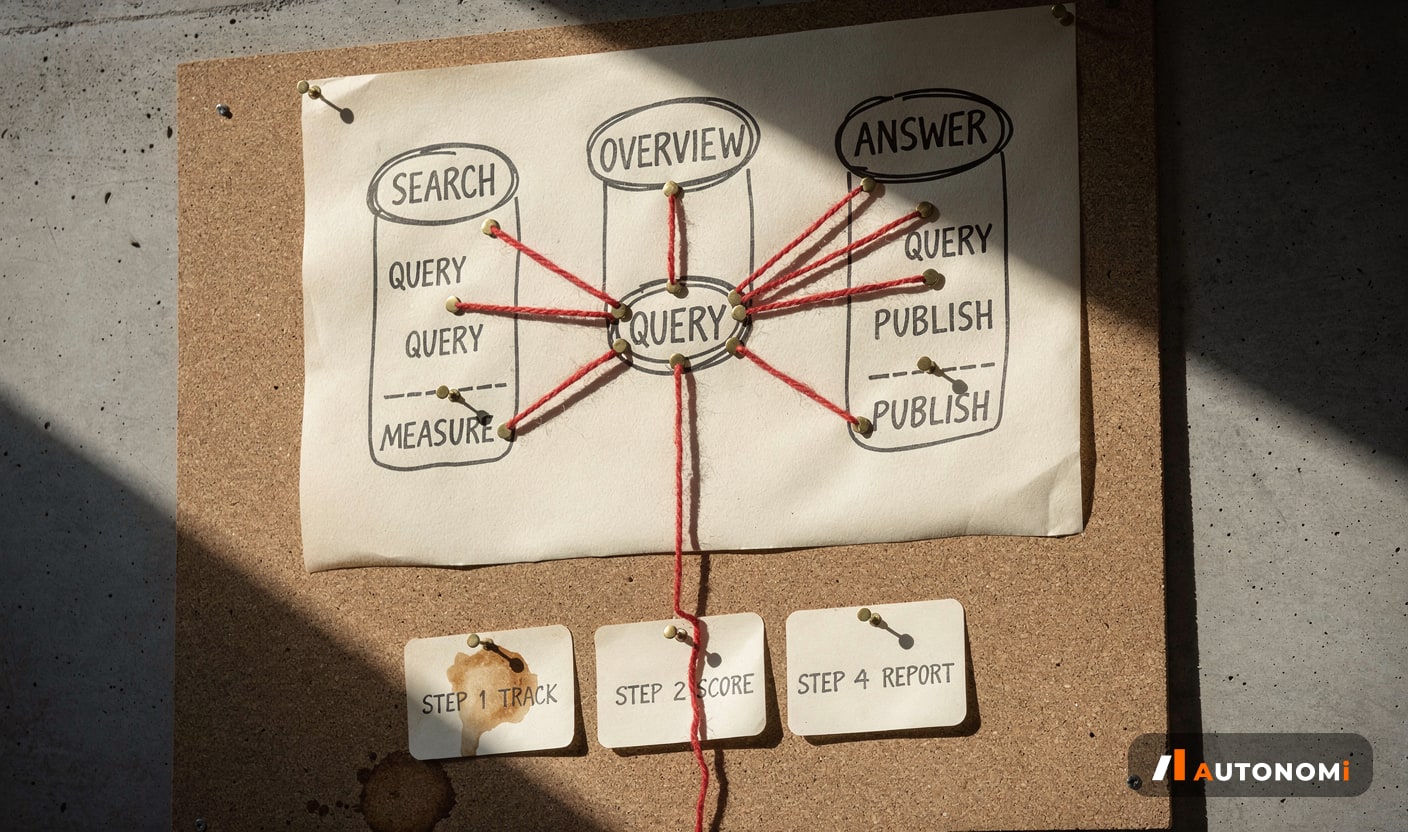
Nightly citation probes, run against Perplexity and Google AI Overviews, record every time an ECHO article is cited by an AI answer engine.✓ Nov 5
Nightly citation probes, run against Perplexity and Google AI Overviews, record every time an ECHO article is cited by an AI answer engine.✓ Nov 5 Each tenant's dashboard carries a "Cited by AI" tile that shows how many citations were recorded over the last seven days, with the total broken out by answer engine. That is the citation count the retainer blog never printed.
That is the citation count the retainer blog never printed.ECHO is sold per rooftop as its own package, and it buys no media. It is the content layer, not the ad layer. If your store's pricing and offers also appear in paid ads, the same agreement problem applies across every surface, and that is a separate job for the ad side of the platform.
Where Does Answer-Engine Visibility Go From Here?
Toward whoever can prove their pages. Engines will keep tightening on sources they can defend, because a wrong recommendation costs the engine trust, and trust is the only thing it sells. The pages that survive that tightening will be the ones that carried a source and a date from the day they were written.
The retainer blog will not get there by adding a keyword. It has no mechanism to record a quote, name a verifier or re-check a fact. The dealer who keeps paying for it is buying pages that look the same as they did a year ago, in a channel that rewards pages that were corrected last night.
If you are deciding what to do next, the test is simple. Pick any factual sentence on your blog and ask for its source, its verifier and the date it was last checked. If nobody can produce the three, sign up for ECHO and put the first article on a claim graph before the next answer is written without you.
Sources: schema.org, ClaimReview type definition.