Dealers do not misread car buyers because they lack data. They misread them because the first conversation is a form and a promise to call back. By the time a person answers, the shopper has moved on, and what the shopper wanted has been flattened into five fields.
CBT News recently interviewed Delivrd's Tomi Mikula on what dealers get wrong about car buyers. The interview is about calls. The lesson applies one step earlier, at the chat window and the contact form, where most of these conversations are lost before they start.
This post argues that the first conversation should happen on the store's own page, answered from the lot as it stands that minute. It also says plainly what that does and does not replace.
What Does the Trade Press Say Dealers Get Wrong About Buyers?
The CBT News piece reports a blunt number from the people who listen to dealership calls for a living.
"Mikula said only about 10% to 20% of his calls turn into what he’d call a good experience" Source: CBT News | #1 Source for Automotive News & Dealership Intelligence
Read that as a statement about the shopper's side of the phone. If four or five calls in five leave the buyer unimpressed, the shopper learns fast that the dealer's first answer is the weakest thing the dealer owns.
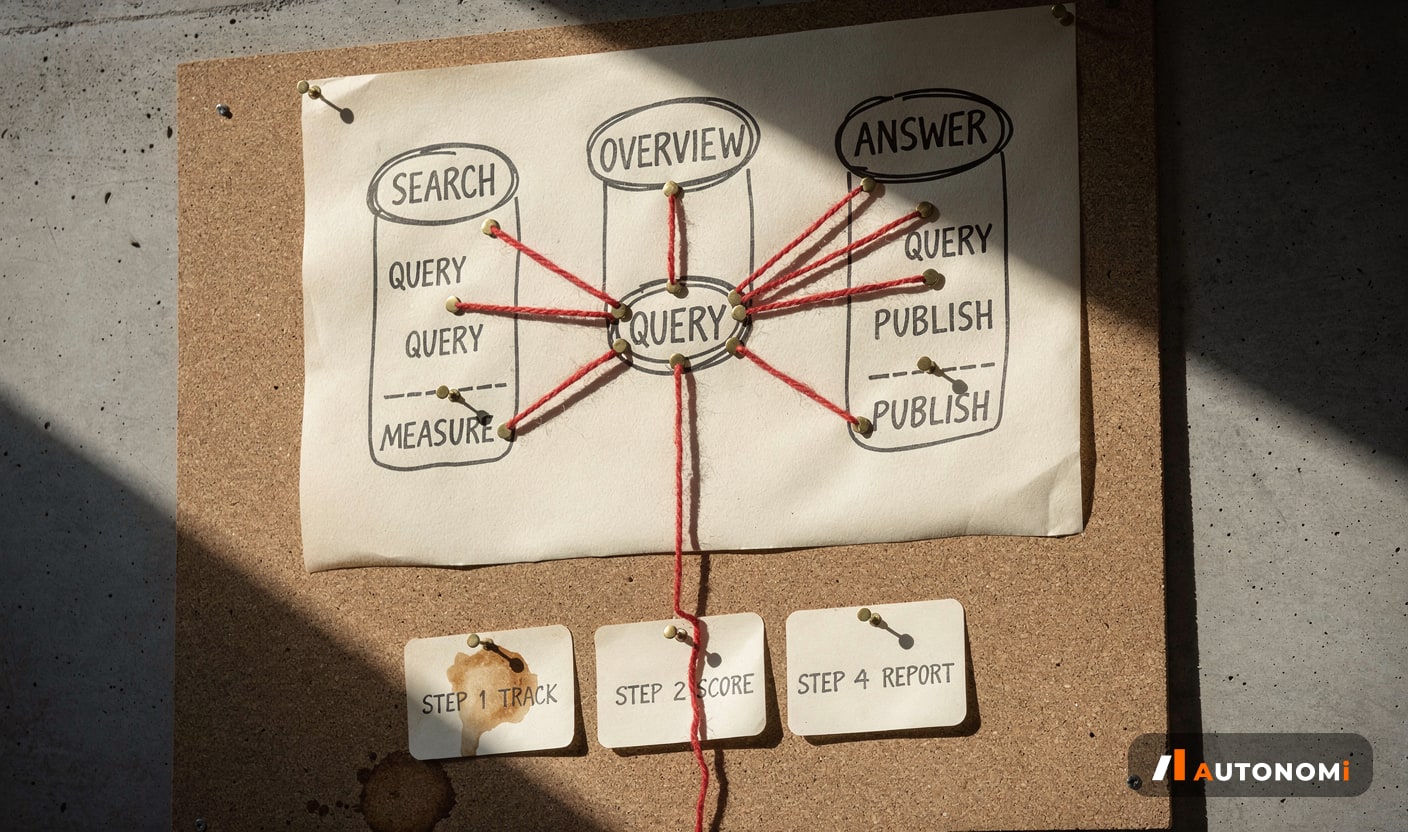
Now move one step upstream. Every one of those calls started somewhere. A shopper typed a name and a number into a form, or tapped a chat bubble that collected a phone number and went quiet. The call is the second bad conversation. The form was the first.
Why Is the Web Form the First Misread?
A form asks the shopper to describe a car in the dealer's categories. Year, make, model, a free-text box nobody fills in. It cannot ask a follow-up. It cannot say that the trim the shopper named is not on the lot, or that a cheaper unit of the same model is.

So the shopper's real question, the one with a payment attached and a deadline behind it, gets compressed into a lead record. The salesperson who calls reads the record, not the shopper. That is the misread, and it happens before anyone dials.
The shopper who asks a question at 10 p.m. is a different case from the one who submits a form. We made that argument in the post on the shopper who never becomes a form. The store that answers the question owns the next step. The store that waits for a submit owns a queue.
What Does the Monday Queue Cost a Store?
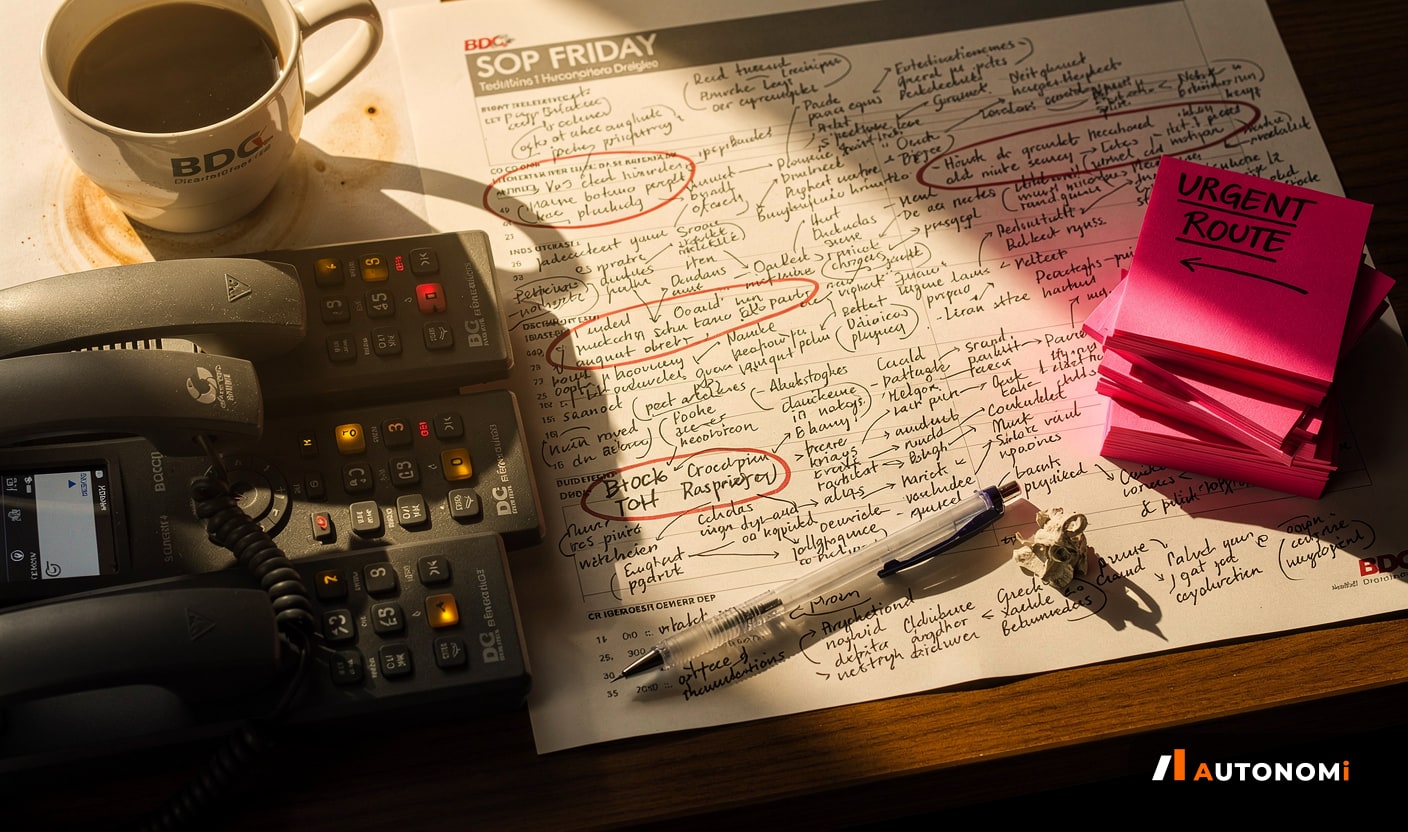
The callback model has a calendar built into it. Leads collected over a weekend wait for a Monday queue, and a Monday queue is worked in the order it arrived, not in the order of intent. Someone who asked a sharp question on Saturday night sits behind someone who clicked a banner and left a number.
A store that cannot print how long each form waited cannot tell a bad ad from a slow reply. That point is in the post on naming the minute the lead waited. Paid media gets blamed for leads that died in follow-up, and the form is the mechanism that lets that happen quietly.
The loser here is clear. It is the contact form as the front door, and the callback queue as the first human touch. Both survive as tools. Neither survives as the first conversation.
What Should a Chat Answer Know Before It Speaks?
A useful first answer needs four things the form never had. It needs the live lot, so it does not offer a car that sold this morning. It needs honest payment language. It needs a way to stay on topic. And it needs to leave the dealer's team with the shopper's own words.

On inventory, the point is the one made in the post on rumor-driven model questions. A shopper asks about a car that may not exist yet. The reply has to say what is on the lot and what is unconfirmed, not improvise.
On payments, buyers shop the monthly figure. That is why a payment printed without its term is half an ad. A chat that quotes a number without the rate, term and down payment behind it repeats the mistake in a friendlier font.
On topic discipline, a chat on a dealer's page is a public text box attached to a language model. People will test it. A store needs the model to stay on vehicles and the store, and needs the test messages stopped before they reach it.
How Does a Chat Window Fail a Shopper?
Most chat widgets fail in one of three ways. They collect a phone number and end the conversation, which is a form with a speech bubble. They answer from a static FAQ, which goes stale the day a unit sells. Or they answer from a model with no guardrails, which will state a price nobody authorized.
The FTC point in the source interview, that a share of dealers are not compliant in one way or another, is a reminder of why the third failure matters. A chat that invents a figure is an advertisement the store did not review.
The test for any chat product is short. Ask it for a payment, ask it for a car you know has sold, and tell it to ignore its instructions. A product that passes all three is reading the lot and enforcing rules. One that fails any of them is a form.
How AUTONOMi Solves This
LANE is AUTONOMi's AI sales conversation layer, and it is anchored to the dealer and its live inventory rather than to a hosted dealer website.✓ Nov 19 The chat embeds on the store's own blog, its landing pages and its rooftop website, and a store adds any other site it owns to an allowed list.✓ Nov 19 LANE runs only while ECHO is on for the store.✓ Nov 19
Every reply is checked before the shopper sees it: prices, payments, rates, mileage and VINs must come from the store's live inventory or the conversation, and payments are labelled estimates with the rate and term used.✓ Nov 19 A new car's price appears only beside its Total MSRP statement, and when the store's charges are not known the card says the team confirms the price.✓ Nov 19
A message that tries to steer the chat, such as prompt injection or role-play, or that asks about something unrelated to vehicles and the store gets a short store-voiced redirect and never reaches the AI.✓ Nov 19 Messages that arrive too fast are also held back, and each lead carries an AI spend cap.✓ Nov 19
Each chat becomes one lead record holding what the shopper gave: contact and consent, the vehicle picked by VIN and stock number, any trade-in and its estimate, financing answers, a test-drive request and where the visit came from.✓ Nov 19 LANE builds an ADF 1.0 document from that record, the dealer's team opens it in the LANE console, and the dealer downloads it to import into its own CRM.✓ Nov 19 The shopper's words travel with the lead, so the person who picks it up reads the conversation, not a summary of five fields.
Be clear about the limits. LANE does not run automated follow-up sequences and does not send the ADF to a CRM itself.✓ Nov 19 It does not replace the dealer's BDC.✓ Nov 19 It is the inbound conversation, answered on the store's page. Your people still call, email and close.
What Changes When the First Conversation Is Answered?
The BDC's job gets sharper. Instead of opening a cold record and asking the shopper to repeat themselves, the rep opens a lead that already says which unit, what payment assumptions, what trade and when. The first human call is the second conversation, not the first.
Measurement gets cleaner too. A chat that carries the click's own tag into the lead tells you which campaign produced the conversation. That is the argument in the post on carrying the click's identity into the lead. A form that strips it tells you nothing.
None of this makes the 10% to 20% figure disappear. A phone call is still a phone call. But a store that answers the shopper's real question on its own page, from its own lot, has taken the weakest first impression off the table.
The trend runs one way. Shoppers will keep asking questions before they give a number, and the stores that answer them will own the lead. If you want that conversation on your own pages, sign up and connect your inventory through AUTONOMi so the first answer reads the lot before it speaks.
Source: CBT News | #1 Source for Automotive News & Dealership Intelligence