Every month the agency report says the same thing: leads are soft, so the creative needs a refresh. Nobody at the table asks how long the last form sat before a person or a system answered it. A store that cannot print that number is arguing about ads with half the evidence.
This week a trade publication put the argument in plain language, and it is worth reading the line before arguing with it.
"But when you actually look at where the money goes, the painful truth is this: the ads are working. The follow-up isn’t." , Digital Dealer
The claim is blunt and it is testable. It does not say every ad is good. It says the first place to look is not the ad. Most stores look there first anyway, because the ad has a dashboard and the reply does not.
Why Does Paid Media Get Blamed for Leads That Died in Follow-Up?
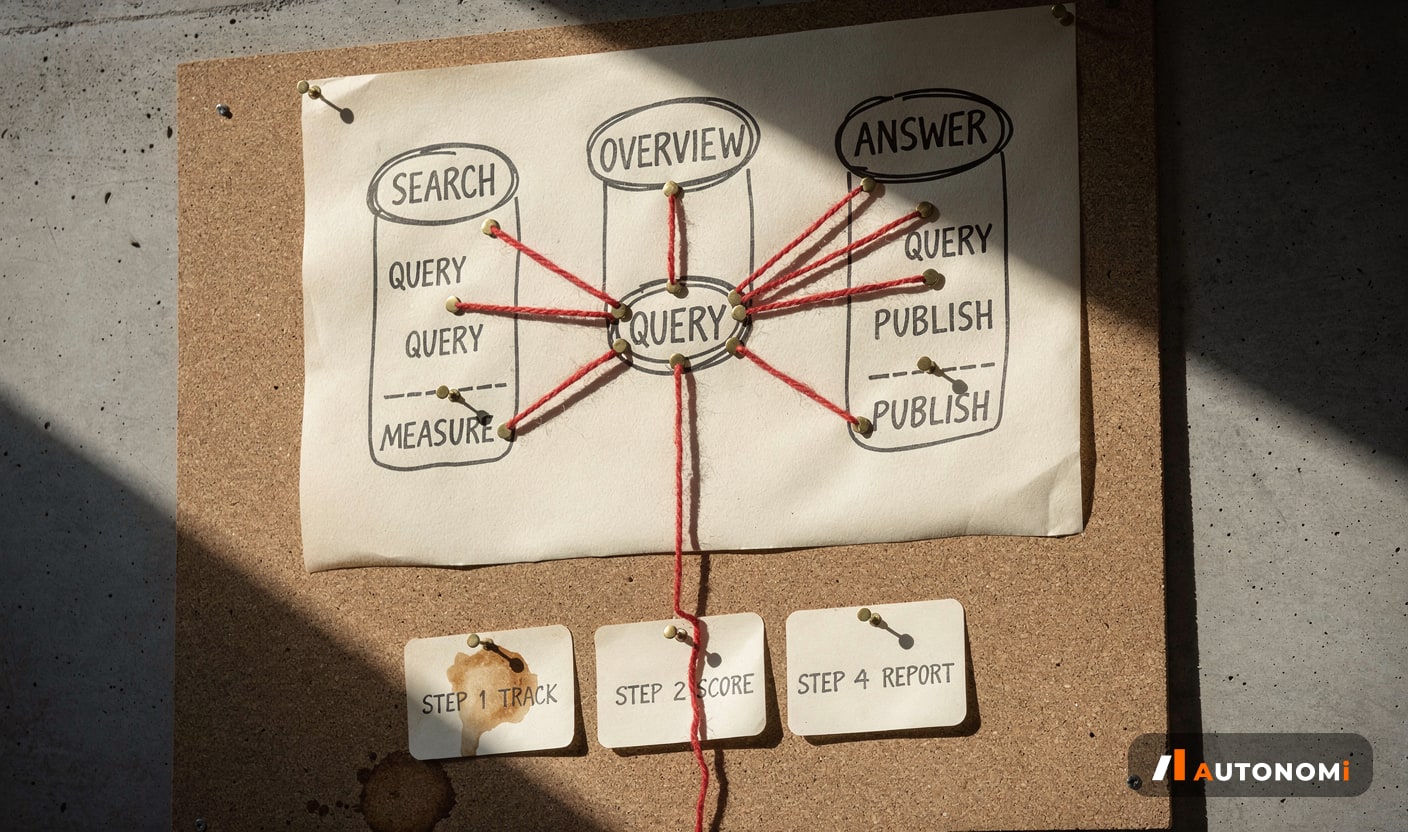
Because the ad platform reports its own side of the story. Spend, clicks, form fills and cost per lead all arrive in a tidy report. The minute a lead waited for an answer lives in a CRM queue that nobody exports. The agency sees the first half of the funnel and has every incentive to explain the second half with the only lever it holds: creative.
So the diagnosis follows the data that exists. Lead volume looks fine, appointments look thin, and the conclusion is that the traffic is low quality. Maybe it is. But a store that cannot separate a bad ad from a slow reply cannot know. It is paying to test creative against a variable it never measured.
This is the agency model at its weakest. A report that blames creative while the CRM queue sits unread is not analysis. It is a way of keeping the retainer pointed at the part of the funnel the agency controls.
What Does a Slow Reply Actually Look Like Inside the Store?
It looks like a form submitted at night that sits until a person logs in the next morning. It looks like a lead assigned to a salesperson who is on the floor with a customer. It looks like a single email that goes out once, with no second touch, because the sequence lives in somebody's head. We covered the evening version of this in the 24/7 dealership is a reply schedule: the shopper at 11 p.m. is not waiting for the showroom to open. She is checking whether anyone answers at all.

The same blind spot shows up in how stores buy software. A CRM demo shows pipelines and automations, and almost none prints the wait. We made that argument in the piece on the one number nobody prints. The wait is the number that decides whether the lead is still a lead when a human arrives.
How Do You Tell a Bad Ad From a Slow Reply?
Print the wait for every form, by source, by hour. Then split the leads into two groups: those answered quickly and those that waited. Compare what each group did next. If fast-answered leads from a campaign book appointments and slow ones from the same campaign do not, the ad was fine and the queue was the problem. If both groups go quiet, then look at the creative.
That is a basic control, and almost no store runs it. The reason is not difficulty. The reason is that the number has to be counted from the store's own record, not from the ad platform. We built that into the reporting described in PRISM prints the number nobody reports, and any store can run the same discipline by hand in a spreadsheet if it has to.
The rule for the agency conversation is simple. Before any creative change is approved, ask for the wait by campaign for the same period. If the agency cannot produce it, the creative recommendation is a guess.
Why Does a Sequence Beat a Single Reply?
The trade piece describes real follow-up as a sequence across days and channels, not a single touch. That framing is right, and it exposes the second failure. Even a store that answers fast often answers once. A shopper who is comparing three stores does not decide on the first message. She decides on which store is still showing up with something useful on day three.

A sequence has to run whether or not a salesperson remembers. It also has to run inside rules. Text messages need a consent record, quiet hours differ by state, and an opt-out must stop everything at once. A store that bolts a sequence on without those rails is trading a slow reply for a legal problem.
That is why the answer cannot be a person with a reminder. It has to be a system that knows the clock, the consent and the stop word.
How Does AUTONOMi Solve This With LANE?
LANE is AUTONOMi's AI sales conversation line, and it follows up with inbound leads by email and text through a daily follow-up sweep.✓ Oct 31 It is inbound only: it does not make cold outbound calls and it does not replace the dealer's BDC.✓ Oct 31 The point is to put a consistent first and second touch on every form so that the BDC spends its time on shoppers who are ready for a person.
Text quiet hours are state-aware for the states with verified stricter statutes on file, including Texas, Florida, Oklahoma and Washington, with the federal TCPA window applying everywhere else.✓ Oct 31 Opt-outs from every surface are written to one shared do-not-contact ledger that is checked before every LANE email and before every text leaves.✓ Oct 31 Consumer marketing texts leave from the dealership's own registered line, and a number is enrolled only after it replies YES.✓ Oct 31 The ownership of that line matters, and we wrote about it in why your text number should be registered in the dealership's name.
When a shopper's intent crosses the threshold, LANE hands the conversation to the BDC. The handoff carries what the shopper actually said, so the person picking up does not open with a question the shopper already answered. That is the difference between a handoff and a transfer of a name and a phone number.
PRISM, AUTONOMi's own dealership CRM, reports leads received by source and by person, along with the first human response: the median minutes to answer and the share answered inside the store's own response line. Those figures come straight from the lead record in PRISM's Reports and morning meeting view. Together with LANE, that closes the loop this article is about: a system that answers, and a report that prints how long the answer took.
Together they close the loop this article is about: a system that answers, and a report that prints how long the answer took.What Should a Store Ask Its Agency This Quarter?
Ask three questions. What was the wait on each lead source last month? What share of leads got a second touch? Who owns the consent record and the number the texts leave from? An agency that answers all three is managing the whole funnel. One that answers none is managing the ad and hoping the queue is fine.
The trend is not subtle. As ad platforms automate bidding and creative testing, the spread between stores will come from what happens after the form. The store that can print the minute each lead waited will stop paying to fix ads that were working. If you want that loop running on your own leads, sign up and put LANE on your inbound forms before the next creative review.
Source: Digital Dealer